Nestled at the base of Kyoto’s western mountains, the Arashiyama area is a cultural sanctuary where time slows, bamboo forests whisper secrets, and ancient traditions endure in harmony with nature. Here, travelers don’t just visit Japan—they step into its soul. Arashiyama isn’t just famous for its scenic landscapes and historic temples, but also for its distinct hospitality, expressed beautifully in the area’s cultural hotels. These are not mere places to stay; they’re immersive experiences rooted in Kyoto’s timeless elegance. From tatami-matted rooms and ryokan rituals to gardens designed for meditation, cultural hotels in Arashiyama invite you to live the traditions of Japan, not simply observe them.
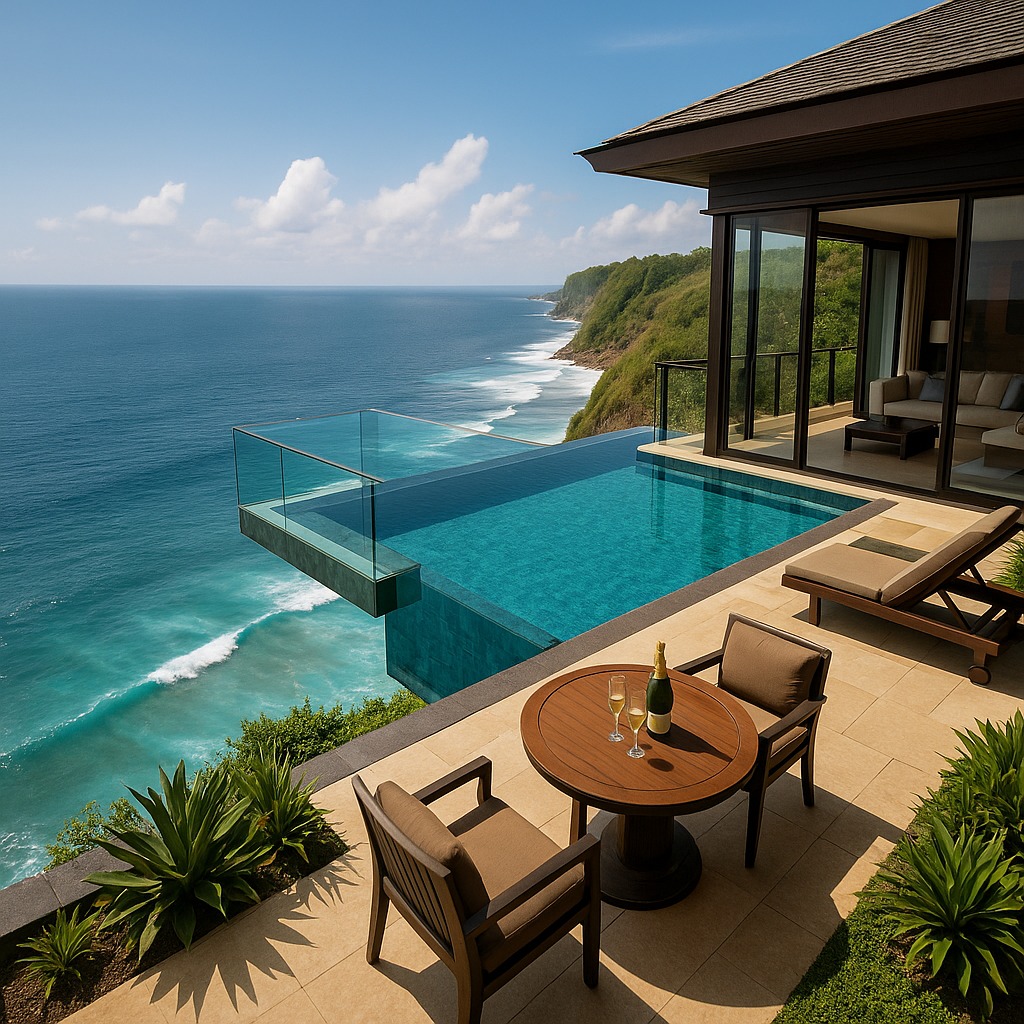
1. Suiran, a Luxury Collection Hotel, Kyoto
Theme: Riverside Tranquility with Imperial Roots
Perched gracefully along the Hozu River, Suiran blends the sophistication of a modern luxury hotel with the quiet poetry of a traditional ryokan. The building was once a retreat for nobility, and its imperial ambiance endures. Guests can soak in private open-air onsen baths while listening to the gentle rustle of bamboo leaves, or enjoy a multi-course kaiseki dinner served on lacquered trays in rooms with shoji screens and garden views. Suiran’s Meiji-era architecture, refined service, and riverbank setting make it a cultural bridge between Kyoto’s past and present.
2. Arashiyama Benkei
Theme: Traditional Ryokan Elegance
For those yearning for a deeply traditional Japanese experience, Arashiyama Benkei offers pure authenticity. This riverside ryokan preserves the customs of omotenashi (Japanese hospitality), from the warm welcome in kimono to nightly futon turn-down service. Meals here are seasonal feasts, crafted with precision and served in your private tatami room. The hot spring baths overlook lush gardens, and the scent of hinoki wood lingers in the air. It’s an experience that transports you to Edo-period Japan with every gesture, flavor, and view.
3. Hoshinoya Kyoto
Theme: Cultural Immersion through Design
Accessible only by boat along the Oi River, Hoshinoya Kyoto feels like a secret retreat among the trees. Every detail—from the flowing kimono-inspired robes to the antique furnishings—embodies the essence of Kyoto culture. Hoshinoya’s rooms open onto river-facing verandas, offering moments of quiet reflection. Cultural activities, such as incense ceremonies, calligraphy, and Zen meditation, are part of the daily rhythm here. It’s less a hotel stay, and more a curated journey into Japan’s aesthetic philosophy.
4. Rangetsu Ryokan
Theme: Boutique Simplicity in a Heritage Setting
A hidden gem tucked into a quiet street near the famous Togetsukyo Bridge, Rangetsu Ryokan emphasizes subtlety and warmth. The intimate size of this ryokan allows for a high degree of personal attention. Interiors are lined with natural cedar and washi paper, and guests can enjoy traditional breakfasts on private balconies overlooking a landscaped garden. Rangetsu’s charm lies in its restraint—it allows Kyoto’s culture to speak softly but clearly through design, food, and interaction.
5. Kyoto Arashiyama Onsen Kadensho by Kyoritsu Resort
Theme: Accessible Cultural Comfort
Blending the ryokan spirit with the comfort of modern amenities, Kadensho offers a more casual yet still culturally rich experience. Guests can choose from five themed private onsen rooms, each inspired by different elements of Japanese artistry. The in-house izakaya offers a lively twist on traditional cuisine, and the hotel’s yukata rental service lets visitors stroll Arashiyama dressed in authentic local fashion. It’s perfect for first-timers wanting a cultural dip without diving too deep.
Q&A and Recommendations
Q: What’s the best hotel for travelers new to Japanese culture?
A: Kadensho provides a welcoming, easy-to-navigate entry point to Kyoto’s traditions without the formalities of a high-end ryokan.
Q: Which hotel is most suitable for honeymooners?
A: Hoshinoya Kyoto. The secluded location, romantic riverside setting, and curated experiences make it ideal for couples.
Q: Where can I experience traditional Japanese cuisine at its best?
A: Arashiyama Benkei. The multi-course kaiseki meals are crafted with seasonal Kyoto ingredients and artistic presentation.
Q: Are there any villas or cultural stays beyond hotels in Arashiyama worth exploring?
Absolutely. Here are a few villa-style cultural stays nearby:
- Kiyotaki Villa Retreat – A private home near Kiyotaki Gorge with minimalist design and tea ceremony sessions.
- Roku Kyoto – While technically outside Arashiyama, this refined retreat blends Japanese artistry with natural hot springs in a luxurious, villa-style setting.
- Villa Rakuen – A heritage townhouse (machiya) rental offering privacy and proximity to both Arashiyama and Sagano’s temples.
Conclusion: A Cultural Stay Beyond Compare
Staying in Arashiyama’s cultural hotels is more than accommodation—it’s a form of quiet time travel. Each property opens a different door into Kyoto’s rich heritage, whether through centuries-old ryokan traditions, riverside meditation, or the intricate dance of flavors in a kaiseki meal. In a world that often moves too fast, these cultural stays offer something rare: stillness, depth, and connection. For travelers seeking not just to see Japan, but to feel it in every breath, step, and sip of green tea—Arashiyama is a timeless place to begin.